Spray-In vs Drop-In Bedliners, and What a Texas Summer Does to a Truck Bed
A liner that traps grit and moisture against bare metal can do more damage over a Texas summer than no liner at all.
September 2, 2026 · 3 min read
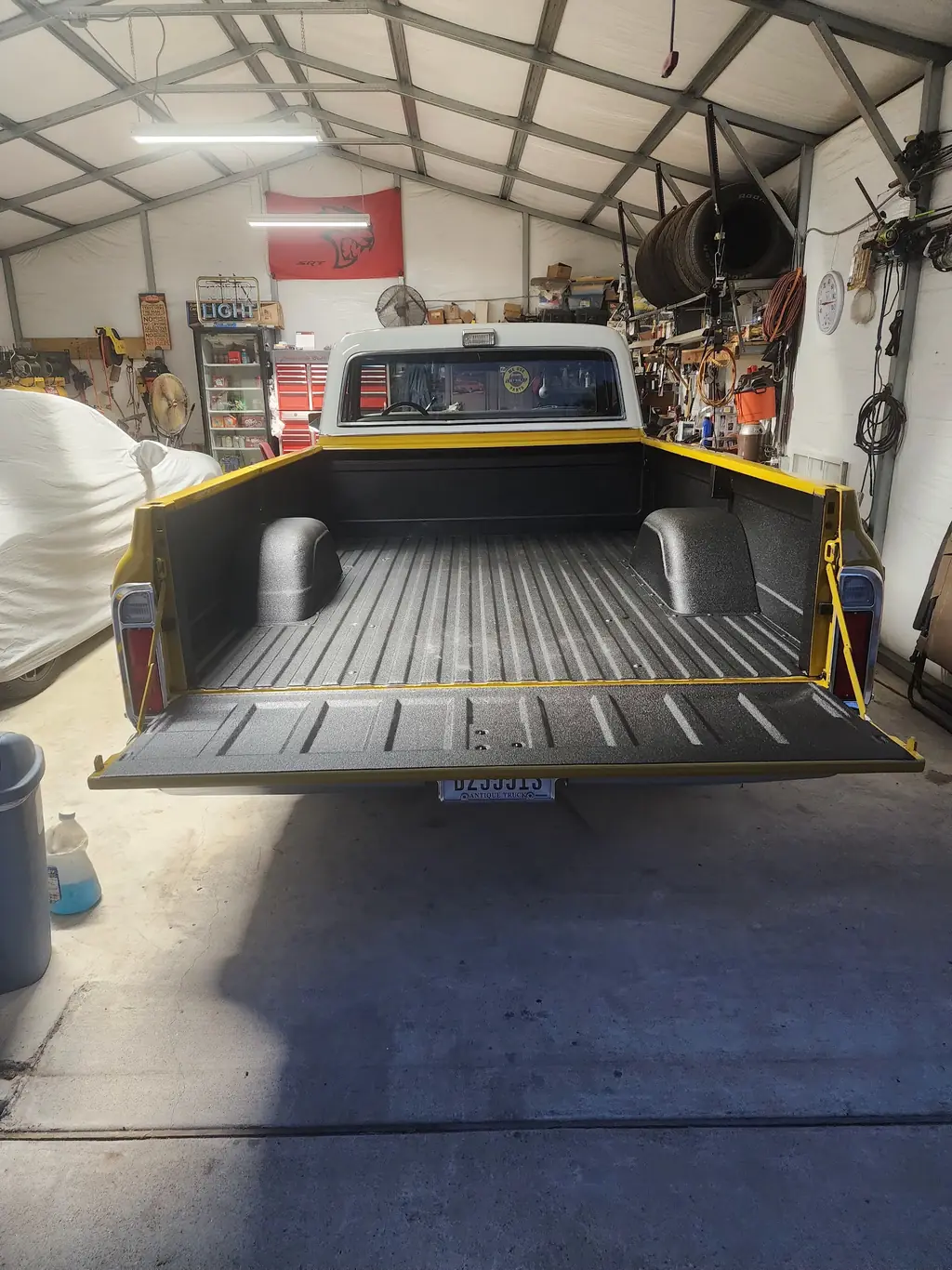
Most truck owners think of a bedliner as one product with two price points. In practice, a drop-in liner and a spray-in liner solve the same problem in almost opposite ways, and the difference matters most in exactly the kind of heat and humidity swings a Texas summer produces.
A liner that seals versus a liner that sits on top
A drop-in liner is a preformed plastic tub that sets into the bed and rests against the metal. It isn't bonded to anything. Over time, sand, gravel and road grit work their way into the gap between the liner and the bed floor, and once they're in there, they stay there, grinding against the paint and bare metal every time the truck moves or the liner shifts. Water follows the same path, and once it's trapped under a liner with no way to drain or evaporate, it sits against the metal far longer than it ever would in the open.
A spray-in liner is applied directly onto prepped bed metal and cures as a bonded coating, not a separate piece sitting on top of it. There's no gap for grit or water to collect in because the liner and the bed are effectively one surface. That single difference, sealed versus stacked, is most of what separates the two products in the long run.
Why a Texas summer makes the gap worse, not better
Heat cycling is part of the problem. A bed that sits in direct sun through a Waco afternoon and cools overnight expands and contracts, and a drop-in liner doesn't expand and contract at exactly the same rate as the steel underneath it, which can widen the gap between them over a season. Humidity is the other half. Condensation forms inside that gap on its own, with no rain required, and once it's trapped against bare or lightly protected metal with no airflow, it has all summer to work on it. A bonded liner doesn't have a gap for condensation to collect in to begin with.
What a certified applicator actually changes
The liner material itself is only part of the outcome. Surface preparation, correct mixing ratios, spray thickness and cure conditions all affect how well a spray-in liner actually bonds, and getting any of those wrong can leave a liner that looks finished but doesn't seal the way it's supposed to. C & C Collision Center is a RhinoPro-certified applicator, and every bedliner they install is backed by a lifetime warranty.
Signs an existing liner has already failed
A liner doesn't have to look obviously bad to already be doing damage underneath. A few signs are worth checking for on a truck that's had a liner in for a few years: any bubbling or soft spots under a spray-in coating, a musty smell coming from the bed that suggests trapped moisture, rust bleeding through at the seams of a drop-in tub, or a drop-in liner that's visibly shifted or no longer sits flush against the bed rails. None of these mean the truck needs a new bed. They mean it's worth pulling the liner and looking at the metal underneath before deciding what goes back on.
When a bed already has chips, rust or peeling paint
A liner sprayed over existing corrosion doesn't stop the corrosion, it just hides it while it keeps working underneath. Sandblasting and soda blasting are both ways to strip a bed back to clean metal before anything new goes on. Sandblasting is more aggressive and suited to heavier corrosion or thicker paint buildup. Soda blasting is gentler on thinner sheet metal and is often the better choice when the goal is removing paint and light surface rust without stressing the panel underneath it. Either way, the point is the same: a liner is only as good as the surface it's bonded to.
Questions worth asking before you commit
- What surface preparation happens before the liner goes on, and whether existing rust or chips need blasting first
- Whether the liner covers the rail caps and tailgate, or just the bed floor
- What the warranty actually covers and for how long
- Whether the truck needs to sit for a cure time before it goes back into daily use or hauls a load
A bed that's going to spend years hauling gravel, tools and equipment in and out of a Waco summer deserves a liner that's actually bonded to it, not one that's quietly trapping the problem underneath.
C & C Collision Center LLC, 254-848-7008
Call 254-848-7008More articles
What Those Marks on Your Car Actually Mean
The shorthand written on your panels before any repair starts isn't careless. It's how the whole shop stays on the same page once your car leaves the estimator's hands.
How to Read a Collision Estimate Without Being an Expert
An estimate is trying to answer one question, what it costs to put your vehicle back the way it was, and most of the confusion in reading one comes down to a handful of terms.