How to Read a Collision Estimate Without Being an Expert
An estimate is trying to answer one question, what it costs to put your vehicle back the way it was, and most of the confusion in reading one comes down to a handful of terms.
September 2, 2026 · 4 min read
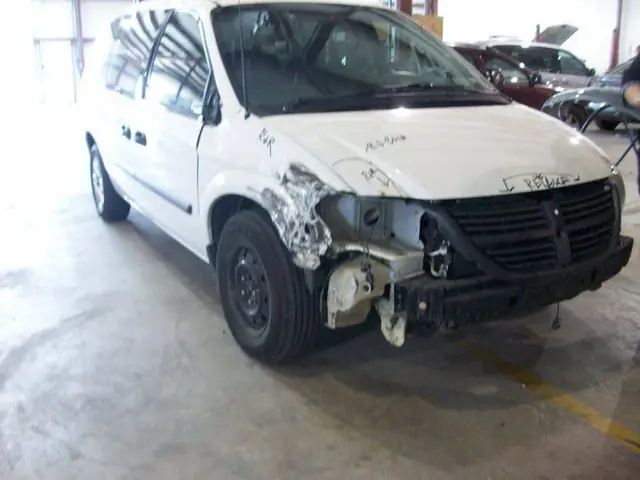
An estimate exists to answer one question: what will it cost to bring this vehicle back to the condition it was in before the damage happened. It is not a final bill, and in most cases it can't be, because damage hides. A bumper cover can look fine sitting on the car until it comes off and a technician finds a cracked bracket or a bent support behind it that nobody could see from outside.
The line items you'll actually see
- Parts, listed as OEM (from the vehicle manufacturer), aftermarket, or recycled and used, each priced differently and each with its own tradeoffs
- Labor, usually split into body labor, paint labor, and sometimes mechanical or frame labor, each billed at its own rate
- Paint and materials, not just the paint itself but primer, clear coat, masking supplies and the shop materials used up over the course of the job
- Blend, paint work on a panel that wasn't damaged but needs the color feathered into it so the repair doesn't show a hard edge
- Sublet, work sent out to a specialist the shop doesn't do in-house, like a wheel alignment or a windshield replacement
Those line items add up to a subtotal, tax gets applied, and the total is what's owed once the work is complete, minus your deductible if the repair is going through your insurance rather than being paid out of pocket.
Why blend shows up on a line for a panel that was never hit
This is the single most common question a customer asks looking at their own estimate for the first time. A blend charge on an undamaged panel is a color-matching cost, not a repair cost. New paint mixed to the factory formula reads slightly different from paint that's already spent years in the sun, so the edge of the repair gets feathered into the panel next to it rather than stopped in a hard line at the seam. Leaving it off the estimate to save money almost always means a repair that's visible from ten feet away, which defeats the point of paying for the repair at all.
Parts availability and why it moves your completion date
A completion date on an estimate is only as reliable as the parts behind it. A common trim level on a popular model usually has parts sitting in a regional warehouse. A less common trim, a newer model year, or a part tied up in a manufacturer backorder can add days or weeks that have nothing to do with how long the actual repair work takes. This is worth asking about up front rather than being surprised by it halfway through the job. It isn't a sign anything has gone wrong, it's a supply chain reality that varies by make, model and part.
Insurance, and who the shop is actually working for
C & C Collision Center works with all major insurance companies, which matters because whichever carrier is involved in your claim, the shop repairing your vehicle should be working for you as the owner, not for the insurance company writing the check. You have the right to choose your own repair shop regardless of which shop an insurer might suggest. Estimates are free, whether you bring the vehicle to the shop or, for a car that can't be safely driven, have someone come look at it where it sits.
Why the number can grow once the car is actually apart
This is the part that surprises people most, and it's rarely a sign of anything shady. An initial estimate is written from a visual walk-around, sometimes with the bumper cover still bolted on and the damage only partly visible. Once a technician actually removes trim, pulls a bumper cover, or gets a panel off, they can find bent brackets, cracked mounts, or a damaged sensor that simply couldn't be seen from outside. When that happens, the shop writes what's called a supplement, an addition to the original estimate covering the newly found damage, and if you're going through insurance, that supplement gets sent to the same adjuster who approved the first one. It isn't the shop padding the bill after the fact. It's the estimate catching up to what the car actually needs once someone can see all of it.
Questions worth asking on any estimate
- Is this a full estimate or a preliminary one, and is it likely to change once the vehicle is torn down for a closer look
- Are the parts listed OEM, aftermarket, or recycled, and can OEM parts be requested if they aren't the default
- What's the realistic timeline given current parts availability for this specific vehicle
- Will you be contacted if something changes once the shop is actually inside the panel, and will a supplement need separate approval
None of this requires becoming an expert in collision repair. It just means knowing which questions turn a page of unfamiliar line items into a plan you actually understand before you agree to it, and knowing that a number changing partway through isn't automatically a red flag, it's often just the truck finally being visible for the first time.
C & C Collision Center LLC, 254-848-7008
Call 254-848-7008More articles
What Those Marks on Your Car Actually Mean
The shorthand written on your panels before any repair starts isn't careless. It's how the whole shop stays on the same page once your car leaves the estimator's hands.
Why Matching Paint on a Ten-Year-Old Truck Is Harder Than Painting a New One
A paint code tells a shop what color your truck left the factory in. It doesn't tell them what color it is now, after years of Texas sun on some panels and not others.